
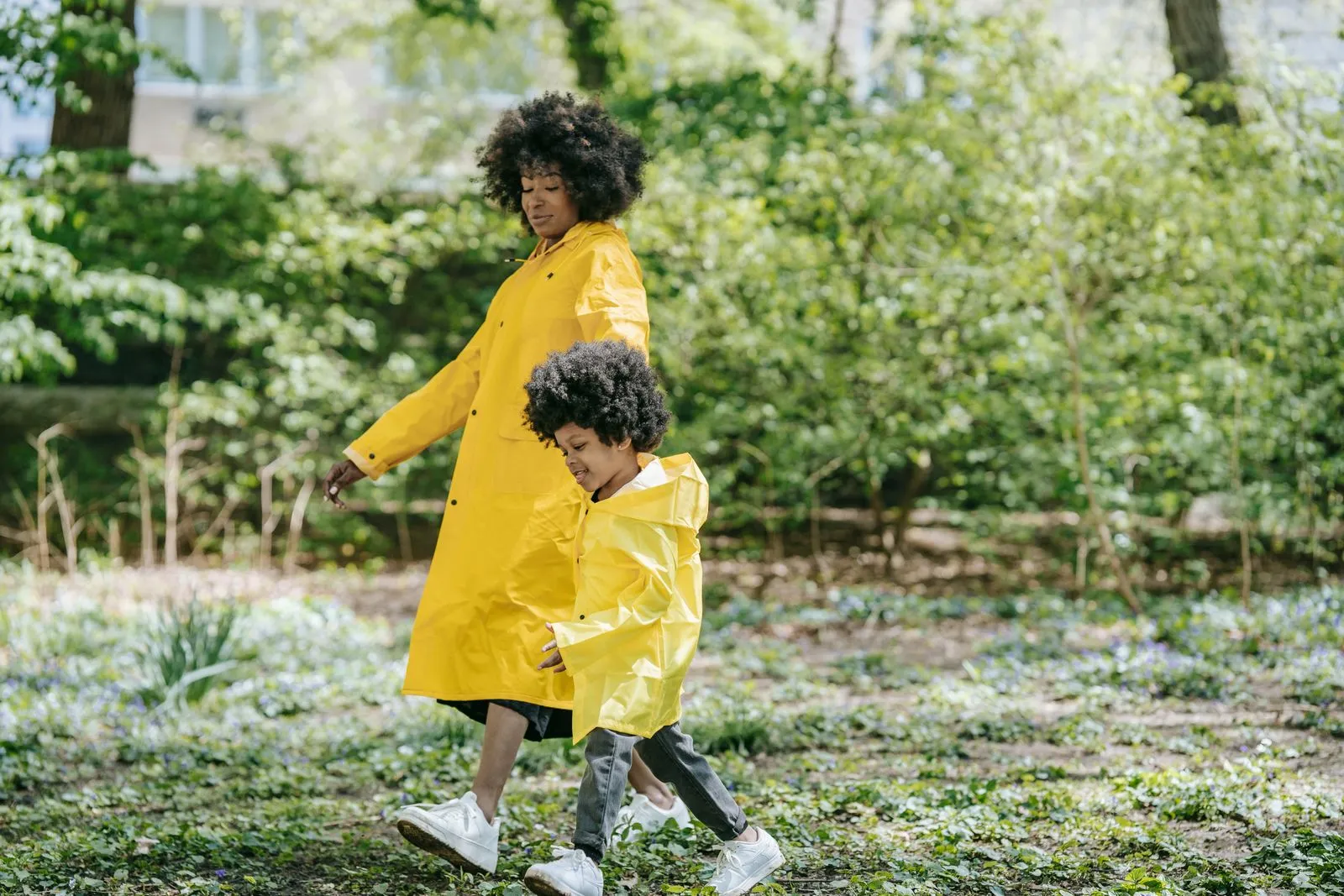
Dressing for forest preschool in St. John’s means preparing for changing temperatures, wind, rain, and damp ground. The goal is not to keep every speck of mud off your child; it is to help them stay warm, dry, and comfortable enough to explore. A few adaptable layers and weather-ready outerwear make it easier for children to move, climb, and investigate outdoors. Pack spare clothes, too, so a wet sleeve or muddy knees do not end the day early.
Build a Comfortable Layering System
Start with a comfortable base layer that sits close to the skin and allows easy movement. On cooler days, add a warm middle layer, such as a fleece or wool sweater. Choose pieces your child can manage with some independence, and avoid clothing that feels bulky under a coat. Layers make it simple to adjust when activity warms your child up or the weather shifts.
Use the season and the day’s forecast to decide how much insulation to add. A light layer may be enough on a mild day, while colder or windy conditions call for more warmth under the outer layer. Check that sleeves, waistbands, and necklines stay comfortable when your child bends or reaches. Label clothing so items are easier to return if they come off during play.
Choose Rain and Wind Protection
A waterproof jacket and pants help protect against rain, wet branches, and damp ground. Look for a hood that stays in place without blocking vision, and closures your child can practice using. Waterproof fabric matters more than an umbrella for active play, because children need both hands free to climb, carry, and explore.
For colder, wetter days, waterproof outerwear with room for warm layers can offer more comfort than a thin rain shell alone. Check cuffs and ankles for gaps where water can get in. If your child wears a one-piece suit, confirm they can move comfortably and use the bathroom with reasonable help. Keep a backup set of dry clothing in their bag.
Protect Hands, Feet, and Head
Choose sturdy, closed-toe footwear with a good grip. Waterproof boots are useful when trails are muddy or puddles are likely; make sure they fit well enough for walking and climbing without rubbing. In warmer, drier conditions, comfortable outdoor shoes may work. Avoid footwear that slips off easily or leaves toes exposed.
Pack socks suited to the weather and consider an extra pair for wet conditions. Mittens are often easier for young children to put on than fingered gloves, while a warm hat helps on chilly, windy days. In warmer weather, use a brimmed hat and follow your program’s guidance on sunscreen. Keep small accessories labeled and easy to find.
Pack for Mess and Change
Send a complete change of clothes, including underwear, socks, and an extra top and bottom. Place the items in a labeled waterproof bag so they stay dry and are easy to reach. A spare pair of mittens or socks can be especially helpful when children spend time around wet leaves, puddles, or snow.
Before leaving home, check that your child can walk, squat, and raise their arms comfortably in the full outfit. Practice putting on boots, zipping a coat, and pulling up rain pants. A quick weather check can guide your choices, but pack for conditions to change during the day. At Harbour Forest Preschool, families can ask the team what clothing works best for the planned outdoor activities.
Comfortable layers, waterproof outerwear, sturdy footwear, and a dry change of clothes give children room to enjoy outdoor learning in St. John’s. Adjust the outfit to the day’s conditions and make sure your child can move freely. If you are preparing for a forest preschool day, ask the program what to pack for its usual activities.